

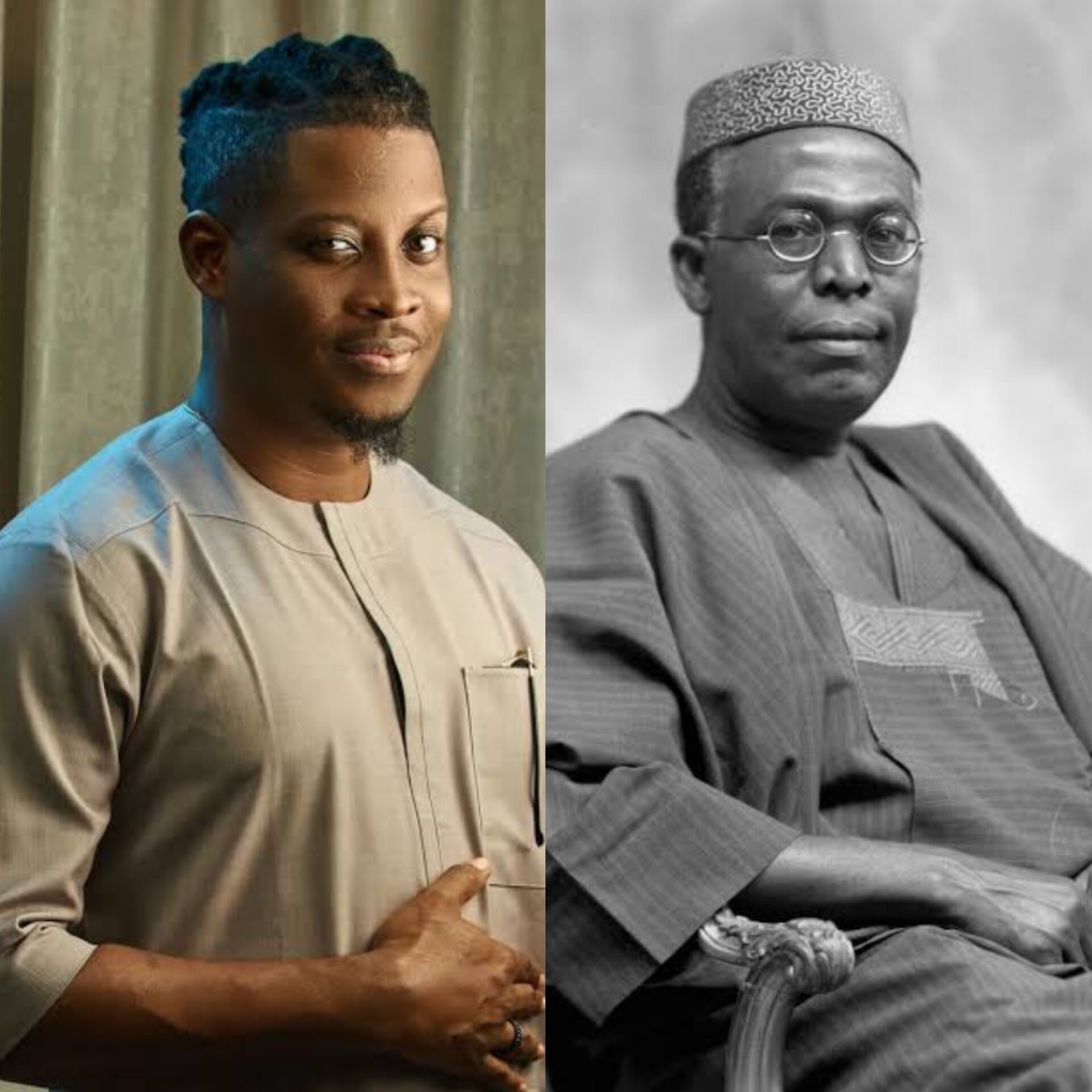
Former Big Brother Naija star Seyi Awolowo has opened up about the pressure and mixed reactions that come with bearing one of Nigeria’s most famous surnames.
Speaking on the Conversations With Kenni podcast hosted by Kehinde Ajose, the actor described life as the grandson of Chief Obafemi Awolowo as a constant balancing act.
When asked what it was like growing up with the Awolowo name, Seyi said:
“It was a lot of burden and pressure. You’d find people that liked you and those who didn’t like you. You’d find people rejoicing because of the name and those who were envious of it. Another thing is you can’t be too sure because some people would hail you in your presence and have something else in their minds like, ‘look at this privileged child.’”
On whether he considers himself privileged, he gave a nuanced answer.
“As much as I’d like to say yes, I would also say no. We were conservatives. If I was truly a privileged child, I’d be one of the sponsors of Big Brother. People would say the Awolowos have a lot of money and I’m like, ‘where is it?’ I’m not in a Rolls Royce or a helicopter. I’m just living a normal life and trying to make money.”
Seyi explained that he still approaches people with ideas seeking finance and partnerships. Recognition when he walks into a room is real, yet many only notice the positive moments and ignore the challenges.
“For me, it’s a double edged sword. I enjoy the few times it’s beneficial and I appreciate it. But nobody sees when people are badmouthing me or calling me arrogant and that’s why I can’t get a job.”
He pushed back against the most common misconception about him.
“People just believe that I’m arrogant. It’s too bad. You can only get to say that if you’ve experienced me personally. If you stand from afar and you throw stupidity my way, am I supposed to take it lightly? Am I supposed to embrace your stupidity? No. I’ll let you know.”
Seyi insisted he is confident, not arrogant, and refuses to compromise his self-respect. He noted that every prominent family faces unseen struggles, comparing it to public perceptions of figures like Aliko Dangote.