

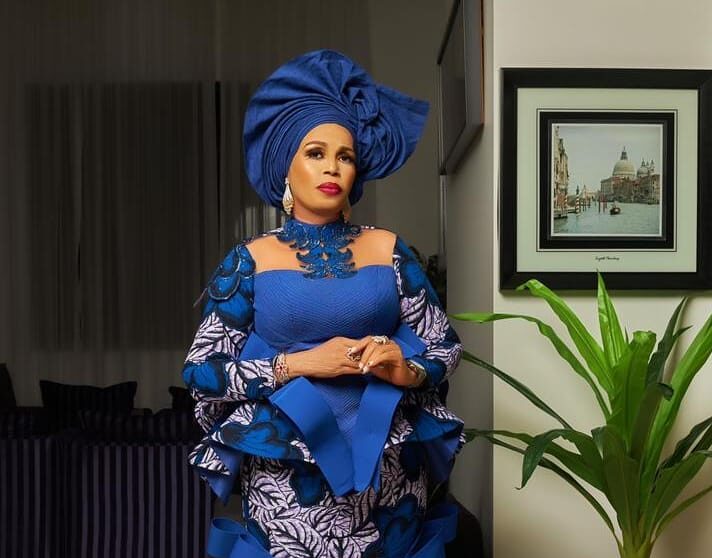
Veteran Yoruba actress Lola Idije has voiced her frustration over the limited range of characters she keeps receiving in Nollywood, revealing that she has repeatedly complained to directors about being typecast. The actress, whose real name is Toyin Afolayan, is widely recognized for portraying wicked mothers-in-law and troublemakers who raise their voices in heated scenes. In a recent interview on African A-List, she made it clear that she wants the chance to play more positive and gentle roles.
Lola Idije explained that she often questions the creative decisions that confine her to the same aggressive archetype.
“Directors and crew members watching this programme know that I have complained about this. I ask them, ‘What have I done?’ You don’t give me good roles where I am a nice mother; why must I always be shouting,” she said.
Her comments highlight a long-standing concern among some veteran performers who feel locked into familiar character types that audiences have come to expect.
In the same conversation, Lola Idije took time to clear up a common misconception about her younger colleague Sotayo Gaga. Many people view Sotayo as strict, proud or even wicked based on her reserved public demeanor, but the veteran actress painted a different picture. She described Sotayo as a good and blessed person who simply prefers solitude, a trait Lola herself shares.
“Sotayo is a good child, a blessed child. If people don’t go close to her, they will say she is strict. Sotayo loves being alone; it isn’t pride, just like me. Like me, I only joke when I am acting; I don’t know how to do it otherwise,” she stated.
Lola Idije’s defense of Sotayo aligns with earlier accounts from other industry figures who have spoken about the younger actress’s kindness. Colleagues have previously noted how Sotayo offered practical help during difficult times, reinforcing the image of a private but supportive personality rather than an unapproachable one. By drawing the parallel between their personal styles, Lola suggested that quiet dispositions off-screen should not be mistaken for arrogance.
The interview has drawn attention because it shows a seasoned star reflecting on both her own career limitations and the judgments that younger talents face. Lola Idije has built a solid reputation over the years through memorable antagonistic performances, yet her desire for more varied roles underscores the ongoing conversation about typecasting in Yoruba films.
Fans and fellow actors have begun reacting to the clips, with many noting the authenticity in her frustration over shouting roles and appreciating the protective stance she took toward Sotayo.