


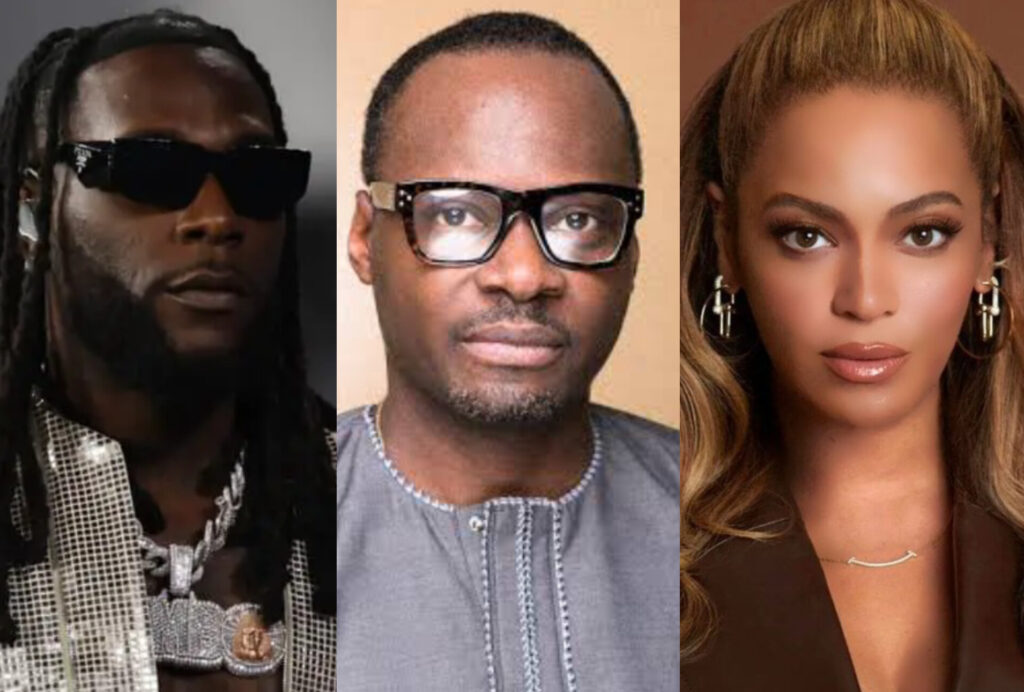
Filmmaker and entertainment lawyer Ayo Shonaiya has revealed the steep cost of telling the Afrobeats story honestly, saying he paid roughly $117,000 just to clear music rights for his 12-episode documentary Afrobeats: The Backstory.
Speaking on Yanga 89.9 FM with host FayFay Talks, Shonaiya explained that using actual songs was non-negotiable if the series was to show the real progression of the genre.
“Telling the story of successful afrobeat artists is so difficult because in trying to use the music that they make, but for me to do that, I have to pay. Regardless of how long I’ve known the person or my relationship with them, it doesn’t matter — I have to pay for the music licensing. For every song on the documentary, I paid everyone,” he said.
Some artists waived the fees. Illbliss, Olamide, Phyno, Eldee and Mr Eazi licensed their music free of charge after recognising his work.
“When I interviewed Illbliss and asked him that I needed to license his music, he told me not to worry because he believes I was doing important work,” Shonaiya recalled.
Others did not. From Beyoncé to Burna Boy, he paid. Burna Boy’s catalogue was the single highest licence fee he faced, higher even than Beyoncé’s.
“Burna Boy was my highest license fee and they claimed that they gave me a discount,” he said.
He had called Burna Boy’s mother about both an interview and the music. Scheduling problems blocked the interview, but she pointed him to the right people and said she would ask them to offer a discount. Even then, the bill remained high.
“I spent roughly 117,000 US dollars or more just to clear music for 12 episodes.”
The documentary, which Shonaiya produced and directed, premiered in Lagos in 2021 and reached Netflix worldwide in June 2022. It draws on more than two decades of footage he shot himself while working in the industry, including rare material from the early years of artists who later became global names.
Shonaiya also shared lighter, older stories from his years managing Fuji star K1 De Ultimate (Wasiu Ayinde). Ahead of a free show in the musician’s Isale Eko neighbourhood, K1 told him:
“Ayo, some of my guys are happy to see me, some are not. If you see me exchanging blows with someone while performing, don’t hold me back. That is how we greet each other.”
He added that K1 was the first major Nigerian artist to put Canada on the map for many listeners at home, in the same way Sikiru Ayinde Barrister once made Orlando familiar after singing about a Disney World trip.