

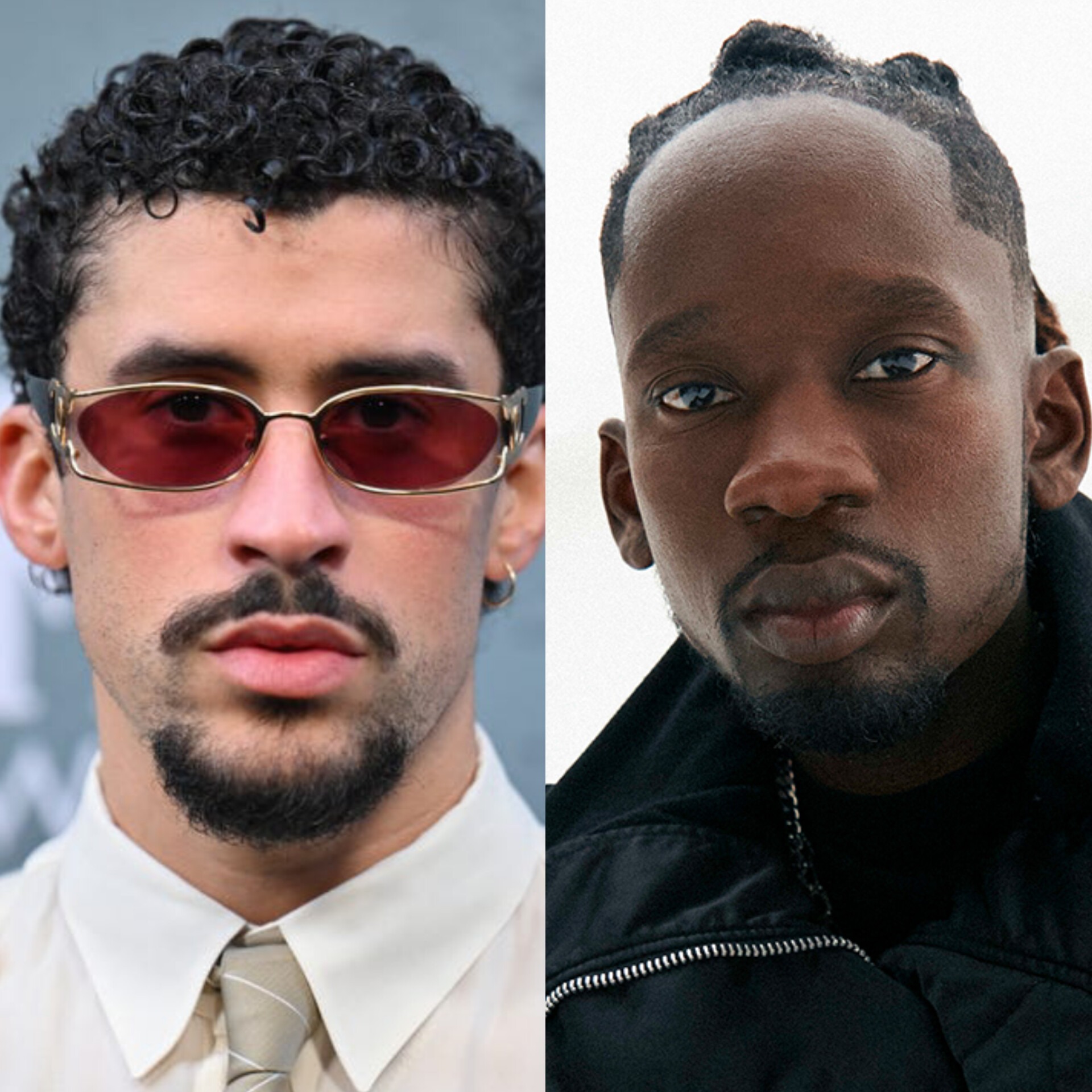
Puerto Rican superstar Bad Bunny has emerged victorious in a copyright infringement lawsuit tied to his hit track “Enséñame a Bailar” from the record-breaking album Un Verano Sin Ti. The case, filed last May by Nigerian producer Dera (real name Ezeani Chidera Godfrey), has been officially dismissed, with Bad Bunny’s legal team now seeking to recover $465,612 in attorney fees from the plaintiff’s label.
The lawsuit alleged that “Enséñame a Bailar” contained an uncleared sample from Dera’s 2019 production “Empty My Pocket,” which he created for artist Joeboy. However, the claim collapsed after a series of procedural failures. Dera’s lawyers withdrew in January citing “irreparable differences” in legal strategy, and his label, emPawa Africa, was dismissed as a plaintiff in February for missing court deadlines. Dera himself failed to appear at a February 5 discovery hearing and missed a March 6 filing, prompting the judge to dismiss the entire suit on March 9.
Bad Bunny’s attorneys described the case as “meritless from the beginning and should never have been brought.” In a motion filed on March 23, they argued that emPawa Africa pursued the litigation aggressively in the hope that Bad Bunny’s wealth and desire to avoid bad publicity would lead to an “undeserved, multimillion-dollar settlement.” They further stated that the label “attempted to confuse the public about Bad Bunny’s integrity and the true ownership of ‘Enséñame.’”
The legal team emphasised that the sample in question was cleared with permission from Lakizo Entertainment. They noted that when faced with an imminent court order requiring explanation of ownership, “Empawa chose instead to abandon its claims altogether.” The motion added that the label’s failure to secure replacement counsel after its original attorneys withdrew “speaks volumes.”
Importantly, Bad Bunny is not seeking fees from individual plaintiff Dera, with his lawyers stating, “It is Moving Defendants’ belief that this co-plaintiff, Ezeani Chidera Godfrey p/k/a Dera, was not primarily responsible for the prosecution of the lawsuit, nor did he finance the lawsuit.” The focus remains on holding emPawa Africa accountable.
The court’s pending decision on the fee award could set a precedent for how procedurally flawed copyright claims against high-profile artists are handled in the future.