


Nigeria’s entertainment industry is buzzing with strong and conflicting reactions as celebrities including Simi, Yhemolee, VeryDarkMan, Tacha, Ayo Makun, and others weigh in on the ongoing national conversation surrounding rape allegations and accountability, a debate sparked by claims made by TikTok personality Mirabel.
The issue has ignited heated discussions online, with public opinion sharply divided between protecting survivors of sexual violence and addressing the consequences of false allegations.
Afrobeats singer Simi was among the first major voices to spark widespread debate after expressing outrage over rising reports of sexual assault. Writing on X, she delivered an emotional and uncompromising message.
“I’m sickkk of this. Stop raping women. They need to castrate rapists and burn them.”
Her remarks quickly went viral, drawing support from many Nigerians who shared her anger, while others questioned the severity of the punishment she proposed.
Doubling down, the singer insisted that society must confront the reality many women live with daily.
“How many of your friends have actually assaulted women as vibes?? Women are terrified to go out… Women in their homes are not safe either. Ask your sisters… Ask your female friends… Stop raping women.”
As support and criticism poured in, nightlife promoter Yhemolee introduced another dimension to the conversation; the psychological and reputational impact of false accusations.
“False rape accusation is as evil as rape itself. As we continue to protect our women from abusers, we should also protect our men from accusers. It’s mentally draining and exhausting for men to go through such.”

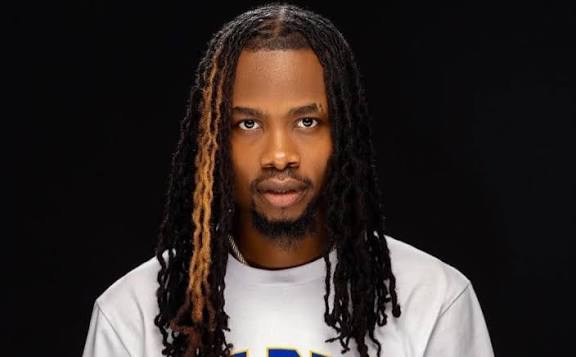
His statement came as attention intensified around Mirabel’s viral video, which prompted widespread online advocacy and triggered official inquiries. Authorities confirmed she was treated at a hospital while investigations continued, though conflicting reports circulating online fueled even more public debate.
Nigerian skitmaker Ozain reacted strongly to the controversy, condemning what he described as behaviour that could undermine genuine victims.
“Rape is no joke… Everyone felt for you… some of una be evil oo.”
Social media commentator VeryDarkMan also shared updates with his followers, claiming Mirabel later admitted her allegation was false and required rehabilitation support.
“Painful… she lied about the rape case. She needs rehab right now.”
His claims further intensified the already polarised public reaction.
Former reality TV star Tacha took a firm stance, calling for strict punishment if false allegations are proven.
“She must be penalized… We should NEVER allow stupid women to empower these evil and wicked men.”
Meanwhile, comedian and filmmaker Ayo Makun offered a broader social reflection on how society responds to accusations.
“A man is always guilty until he is proven innocent. A woman is forever innocent until she is proven guilty. Know the difference and know peace.”
As investigations continue, the conversation has grown beyond a single case. Nigeria’s entertainment figures are now shaping a wider national dialogue about justice, truth, accountability, and the delicate balance between protecting survivors and preventing wrongful accusations.
For many Nigerians, the question is no longer just about one allegation, but about how society defines truth, justice, and protection for all.