
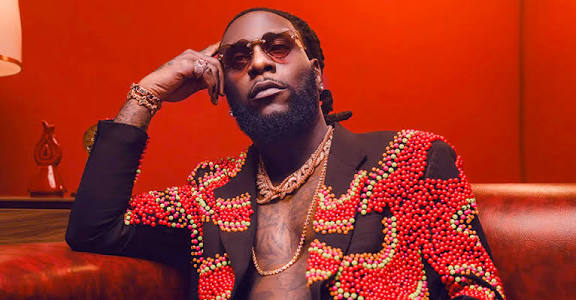
Burna Boy once stood tall as the African Giant, a name that made him feel like a lion in a jungle of stars. But lately, the giant seems to be shaking the ground for all the wrong reasons. And if he’s not careful, that same ground may open beneath his feet when he least expects it.
The moment things began to fall apart can be traced back to his Colorado concert, where he chased out a couple for “sleeping.” That single act lit a wildfire. The video spread like harmattan fire, and fans didn’t waste a second before calling him out. Public figures and influencers joined in too. Even Tunde Ednut said if he were thrown out like that, he would demand a full refund. That’s how embarrassing the moment looked.
But instead of calming the storm, Odogwu poured petrol on it. His “sorry but not sorry” Instagram Live made many people feel like their feelings didn’t matter. He didn’t stop there, he even insisted that he only wants “supporters who buy tickets, not fans.” To make matters worse, it was later revealed that the woman he embarrassed had recently suffered a painful personal loss. Imagine adding humiliation on top of heartbreak, especially for someone who once held him in high esteem.
At that point, everything flipped. Conversations online went from disappointment to full-on criticism. Haviah Mighty, the Canadian rapper, captured the moment perfectly when she said, “The ego is a dangerous thing.” Fans began rebranding him from African Giant to Arrogant Giant, while American boxer Ryan Garcia added even more weight to the backlash with his remark: “Without your people, you are no superstar.”
The cancel-Burna-Boy movement grew legs fast. DJ Akademiks even started promoting a “Burna Boy Sleeping Party,” a sarcastic campaign encouraging people to buy tickets just to attend and sleep. Suddenly, the insult had become a nationwide meme.
And then the real consequences kicked in. His US tour, No Sign of Weakness, began to show cracks that nobody could ignore. According to Daily Post, his Minneapolis show scheduled for November 28, 2025, was cancelled due to poor ticket sales. Ticketmaster confirmed it. His Chicago show is hanging by a thread. This wasn’t just social media noise anymore, this was money, reputation, and global standing quietly slipping away with intention of turning back.
Fans back home didn’t keep quiet either. One fan, Korede Lagos, said, “He got away with it in Nigeria because everyone gets away with things here, but over there, they cherish their human dignity.” Another fan Wontonamera remarked, “Thank God the people of Houston have some self-respect… He is so disrespectful whenever he performs to Nigerians.”
But not everyone stood against him. Some voices rose in his defense. Comedian I Go Save called out the “cancel him” crowd: “The same sinners celebrating a man’s daily bread cancellation is witchcraft!” He urged Nigerians to stand by their own. Social commentator Reno Omokri added his perspective: “Since we didn’t push him up, the least we can do is not pull him down.”
Even singer Terry G supported him, saying: “Because he’s a musician you go to his show to sleep? If it was a church won’t the pastor wake them?” He insisted sleeping at an artist’s concert is bad PR because it rubbishes their craft and paints their show as boring.
Even comedian MC Lively joined the conversation, joking that whatever happens abroad, Burna can come home like the prodigal son, but tickets will be in naira, not dollars. It was a shade wrapped in humour, especially because Burna Boy himself once claimed Nigeria is only for “vibes and cruise”, not real money. MC Lively’s message was clear: if you fall abroad, your global bag is finished and you shouldn’t expect the same level of glory when you return.
As all these voices clashed; some condemning, some defending, one truth stood in the middle: Afrobeats itself was caught in the crossfire because Burna Boy isn’t just an artist; he’s one of the biggest faces representing the movement globally. And every step he takes reflects on the genre.
On one hand, this saga exposes the growing power of fans and the rising standard of accountability in Afrobeats. On the other hand, it risks painting the genre as arrogant or unprofessional to outsiders who may not understand the complexities of the culture.
Brands are watching too. Companies that value empathy and positive image may quietly step back because endorsements don’t survive arrogance. And in the entertainment world, once a brand becomes “risky,” even money can’t save it.
If Burna Boy doesn’t humble himself fast, he risks becoming the kind of superstar people listen to but no longer love enough to stand behind. And in music, love, not money, not charts, not awards, is the real currency. It lifts giants, and it can just as easily bring them down.