


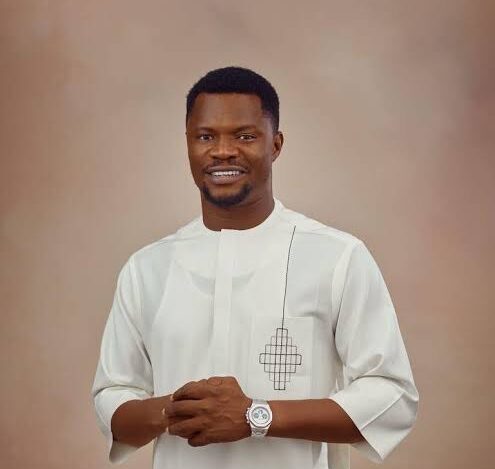
The family of late gospel singer Toluwanisings has issued a strong warning over his final resting place, insisting that he must not be buried in any cemetery. A family representative declared that if the body is interred in a public burial ground, relatives will open the grave, remove the remains, and take him home to be laid to rest beside his late mother.
Speaking on behalf of the entire paternal family, the representative stated clearly:
“We have all decided in the family that Toluwanisings must not be buried in the cemetery. For this reason, they should bring him back home.”
He repeated the warning with firm resolve:
“If you people decide to bury him in the cemetery, we will remove him from there. I am speaking on behalf of all the family members.”
The representative added:
“So don’t ever bury him there, if not, we open the grave to remove him and bring him back home to bury beside his mother’s grave.”
He concluded that even if burial inside the house the singer built is not possible, the family compound remains the preferred option:
“If you say you can’t bury him in his house that he built, we don’t know your reasons and we don’t even care to know, just bring him home. He has a father’s compound, we will bury him beside his mother’s grave.”
Toluwanisings, whose full name was Olayemi Bayonile Bolaji, passed away on October 14, 2026, in Ibadan, Oyo State, after reportedly collapsing at his residence. The popular gospel minister, known for energetic praise songs such as “A Very Big God” and “Unreserved Praise,” left behind a wife and children. His paternal relatives, including his father Muniru Adekunle Olayemi and uncle Lawal Ademola Rauf, have since called for a thorough investigation into the circumstances of his death before any burial takes place. They have also expressed willingness to cover mortuary costs for as long as needed while the probe continues.
The burial location has become a major point of disagreement. The paternal family has maintained that Toluwanisings should be laid to rest either at the house he built in Ibadan or beside his late mother in Ikirun, Osun State. Reports indicate that his widow has preferred a cemetery or church-owned burial ground, citing discomfort with the idea of living in a home that would also contain her husband’s grave, especially with their young children present.